Zagreb - A Few Days in Croatia
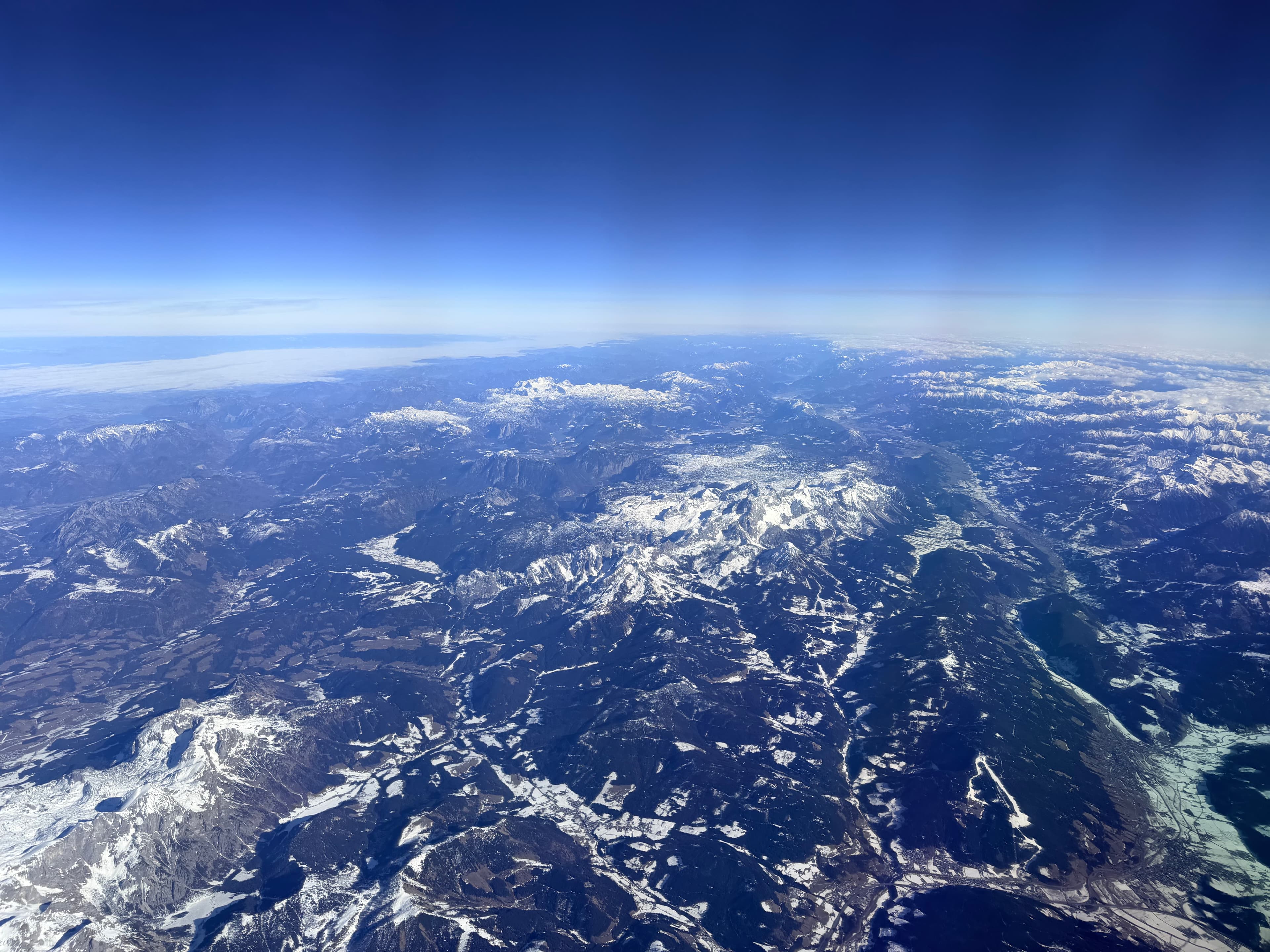
There's something about looking out of an airplane window that puts you in the right frame of mind. Somewhere between the clouds and the coastline below, the day-to-day fades, and all that's left is the anticipation of arriving somewhere new. That's how Zagreb started for me - a view from above, a couple of days ahead, and no real plan beyond curiosity.
Croatia wasn't a country I knew much about beyond the obvious. Dubrovnik gets all the attention, but Zagreb, the capital, felt like the kind of place that doesn't try to sell itself - you just have to show up and pay attention. And I'm glad I did.
A City Written in Stone
What struck me first was the architecture. Zagreb is a city that wears its history on its facade - literally. Walking through the Upper Town, you can see the Austro-Hungarian influence immediately: ornate buildings, wide squares, the kind of European grandeur that feels familiar if you've spent time in Vienna or Budapest. But then you turn a corner and the texture changes. There are buildings still bearing the marks of the Yugoslav era, utilitarian and angular, standing right beside baroque churches and neoclassical theatres.
Coming from western Europe, the contrast was sharper than I expected. It's not that the city is run down - far from it - but there's a rawness to it that you don't see in, say, Amsterdam or Paris. The layers aren't hidden or polished over. You can read the 20th century on the walls: the empire, the wars, the independence, the rebuilding. It gives the city an honesty that I found genuinely compelling. Zagreb doesn't pretend to be something it's not, and that's refreshing.
The Cathedral of Zagreb, with its twin spires, dominates the skyline. Even after the 2020 earthquake damage, the scaffolding and ongoing restoration somehow add to the story rather than take away from it - a city still writing its next chapter.
The Vegetarian Dilemma
Now, let's talk about food. If you're vegetarian, Zagreb will test your patience - lovingly, but it will test it. Croatian cuisine is deeply rooted in meat. Grilled meats, stews, sausages - it's hearty, generous, and clearly made with pride. But for someone who doesn't eat meat, the options narrow quickly.
I found myself relying on bakeries more than I'd like to admit. Burek with cheese became a reliable companion. A few restaurants in the centre had decent salads and pasta options, and there's a growing awareness of vegetarian and vegan diets, but it's still early days. It's not like Berlin or London, where plant-based options are everywhere. Here, you plan a little more, ask a few more questions, and learn to appreciate what's available rather than expecting a full menu.
Honestly though, the food situation didn't dampen the experience. If anything, it made me appreciate the moments when I did find something good - a warm štrukli (a baked cheese pastry that is absolutely worth trying) or a simple but perfectly made soup. Sometimes the constraints make the discoveries sweeter.
Warmth Beyond the Weather
What surprised me most was the people. I'd read mixed things online about whether Zagreb was "friendly," and I can say without hesitation - it was. Every interaction I had was warm, welcoming, and easy. People spoke English fluently and were genuinely happy to help, whether it was giving directions, recommending a place to eat, or just chatting about their city.
There's a particular kind of warmth that comes from people who are proud of where they live but don't take themselves too seriously. That's the vibe I got in Zagreb. Café culture is huge - people sit for hours over a single coffee, talking, watching the world go by. It reminded me that not every city needs to move at breakneck speed to feel alive.
I had a few conversations with locals about the history of the city, about the changes since independence, about what it's like to live in a place that's still finding its footing on the European stage. Those conversations were some of the best parts of the trip - unscripted, genuine, and full of perspectives I wouldn't have found in a guidebook.
The Small Differences That Tell Big Stories
Coming from western Europe, a few things stand out immediately. The cost of living, for one - Zagreb is significantly more affordable, and you notice it in everything from coffee prices to accommodation. There's also a different pace. Things move a little slower, and not in a frustrating way - in a way that suggests people have their priorities straight.
The tram system is charmingly old-school but gets the job done. Street markets feel like actual community spaces rather than tourist attractions. And there's a sense of pride in local craft - whether it's food, art, or design - that feels authentic rather than curated for visitors.
It's also a city in transition. You can see it in the mix of old and new, in the startups setting up next to traditional shops, in the younger generation speaking multiple languages and looking outward while still deeply connected to their roots. Zagreb feels like a place with momentum, even if it's not shouting about it.
A Short Trip, A Lasting Impression
Two days isn't enough to know a city - I know that. But it's enough to feel something. Zagreb left me with a genuine sense of curiosity and respect. It's a city that doesn't try to impress you with spectacle, but it earns your attention through substance: its layered history, its honest architecture, its people who welcome you with a coffee and a conversation.
Would I go back? Absolutely. Maybe next time with a longer list of vegetarian restaurants - and definitely with more time to wander through the streets, sit in the cafés, and let the city unfold at its own pace.
Sometimes the best trips are the ones you don't overthink. Zagreb was exactly that.