- Published on
A season of shifting dynasties: Formula 1, Tennis, and Football
- Authors

Some years in sport feel like a continuation, 2026 though already feels like a reset.
In Formula 1, the first taste of the 2026 regulations has Mercedes back on top of the timesheets, a new‑era Red Bull package looking ominously competent from day one, and Aston Martin turning heads with some of the wildest aero ideas on the grid.
In tennis, Carlos Alcaraz has just completed the Career Grand Slam at the Australian Open at 22, becoming the youngest man ever to do so.
And in English football, Manchester United’s fortunes have flipped under Michael Carrick, with Arsenal emerging as their most credible title rival while Liverpool slide and City suddenly look mortal.
Across three sports, the pattern rhymes: once‑comfortable dynasties are being forced to adapt, and a new generation is seizing the moment. This post is a quick tour through that changing landscape.
Table of contents
- Formula 1: a new 2026 order
- Tennis: Alcaraz completes the Career Slam
- Football: Carrick’s United, Arsenal’s rise, Liverpool’s slide, City’s stumble
- Why this all feels like an inflection point
Formula 1: a new 2026 order
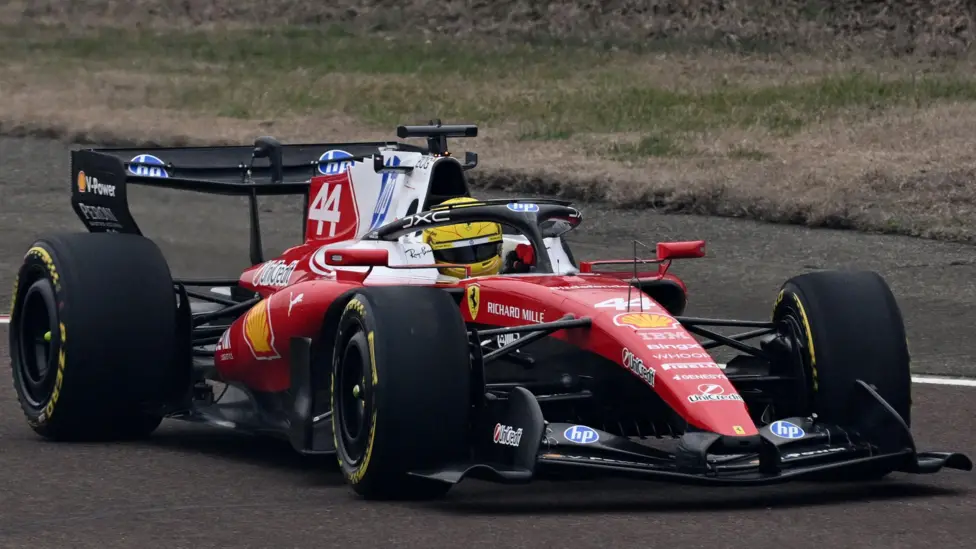
The first 2026 test has delivered exactly what the rule‑makers wanted: a visible shake‑up of the pecking order. Across Barcelona’s opening runs, Mercedes have looked like early favourites, topping multiple sessions and logging strong longer runs while reporting a car that is finally “predictable” again after years of porpoising and setup headaches. One Independent write‑up even suggested that “if there is such a thing as a testing champion, Mercedes just claimed it.”
Red Bull, entering the new engine era with their own Red Bull Powertrains package, have impressed in a quieter way. Reliability has been strong from the outset, and the car has shown competitive pace without the team apparently chasing glory runs, prompting paddock chatter that they have “hit the ground running” and are sandbagging more than anyone else.
Adrian Newey’s fingerprints are also all over Aston Martin’s AMR26: a visibly aggressive concept that has earned words like “extreme” and “radical” from technical writers even if the headline times are harder to read at this stage.
Here’s a simple snapshot of how the early running looks:
| Team | Headline pace (testing) | Laps completed | Early paddock verdict |
|---|---|---|---|
| Mercedes | Fastest in key sessions | Highest | Early title favourites |
| Red Bull | Quiet but competitive | High | Strong baseline, hiding true speed |
| Aston Martin | Flashy, inconsistent | Medium | Eye‑catching concept, big potential |
| Ferrari | Solid but unspectacular | High | In the mix, not the clear benchmark |
Based on aggregated reports and timing summaries from the first 2026 test in Barcelona.
One line from Sky’s testing coverage felt like the right encapsulation: “Mercedes look ominous, Red Bull look comfortable, and Aston look like the ones willing to roll the dice.” If that holds through Bahrain, the grid could feel very different from the Red‑Bull‑dominated years we’ve just lived through.
Sky Sports F1: Key takeaways from 2026 pre-season testing
Tennis: Alcaraz completes the Career Slam
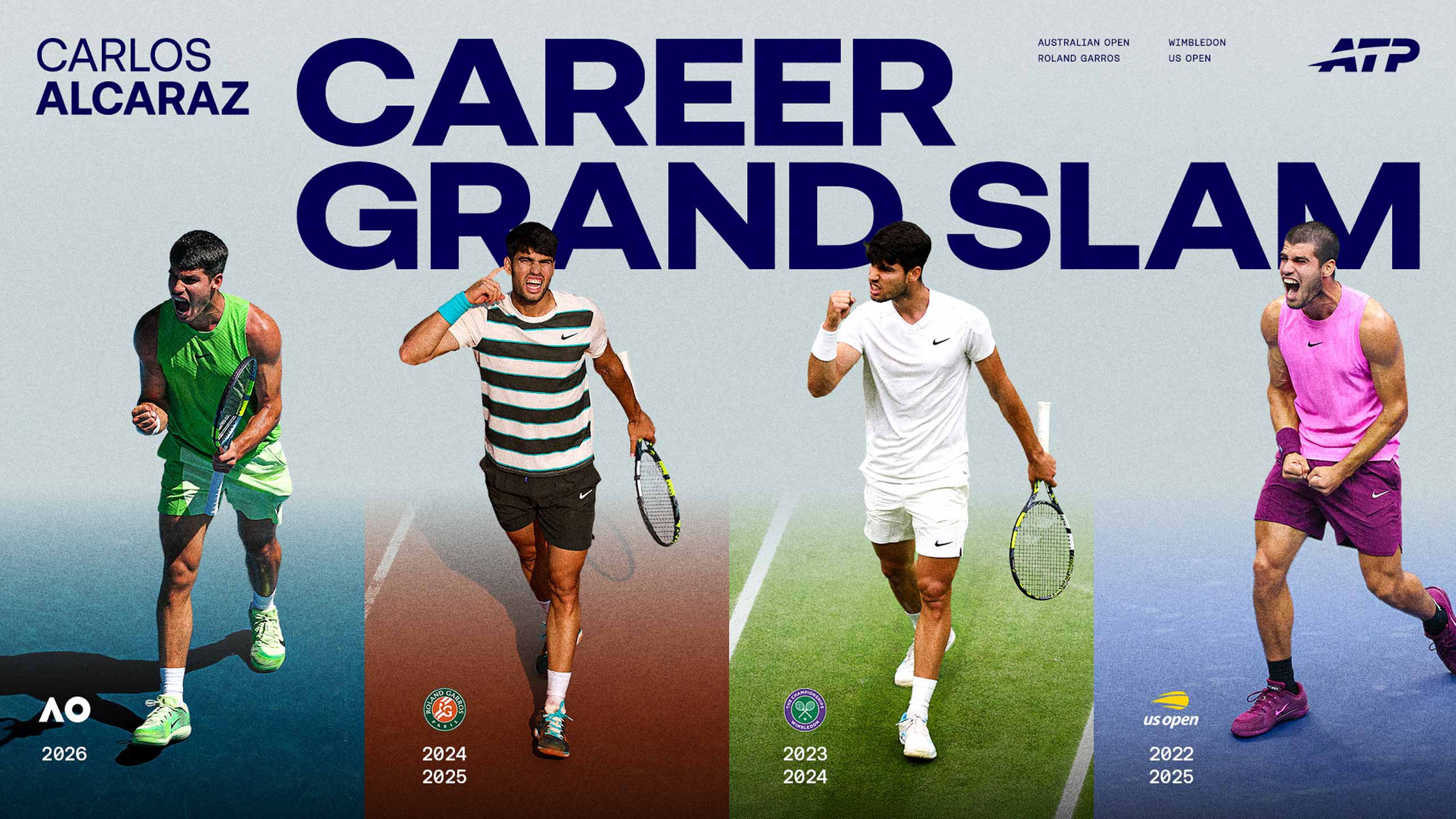
Carlos Alcaraz’s 2026 Australian Open title was more than just another major; it completed his Career Grand Slam. At 22 years and 272 days, he became the youngest man ever to win all four majors, beating Rafael Nadal’s previous mark and joining a list that includes names like Rod Laver, Rafael Nadal, Roger Federer, and Novak Djokovic. The ATP’s own write‑up framed it simply: Alcaraz has done in his early twenties what most legends needed a decade to assemble.
The numbers already look absurd for someone whose peak should still be ahead of him:
| Player | Age at Career Slam | Slams at that point | Notable feat |
|---|---|---|---|
| Carlos Alcaraz | 22 | 7 | Youngest men’s Career Slam |
| Novak Djokovic | 29 | 12 | First man in Open era to Career Slam |
| Rafael Nadal | 24 | 9 | Career Slam completed at US Open |
| Roger Federer | 27 | 14 | Career Slam completed at Roland Garros |
Approximate ages and counts based on ATP and Slam records as of early 2026.
Beyond the stats, the tone of coverage has shifted. Commentators who once spoke about Alcaraz as “the next big thing” now talk about him as the man the rest of the field has to solve. Pieces in tennis media speculated even before Melbourne that he “could become only the second player to win all four majors and Olympic gold in the same year,” and the Australian Open triumph has poured fuel on that Golden Slam talk even if it remains a dream for now. One columnist wrote that Alcaraz “plays like someone who grew up with every style in his pocket - Djokovic’s elasticity, Nadal’s intensity, Federer’s flair - and still insists on doing it his way.”
Australian Open 2026: Carlos Alcaraz Championship Highlights
It is early, and tennis is unforgiving to the prematurely anointed. But if 2024 was the year he proved he could win on grass, 2026 is already the year he reset what “early career” can look like in men’s tennis.
Football: Carrick’s United, Arsenal’s rise, Liverpool’s slide, City’s stumble

Few clubs swing from crisis to hope quite like Manchester United, but the Michael Carrick chapter already feels different. The club confirmed his appointment as head coach for the remainder of the season in mid‑January after parting ways with Ruben Amorim, describing him as the right person to “restore identity and intensity.” Since then, performances and results have spiked, highlighted by a dramatic win away at Arsenal that several outlets framed as a potential turning point in the title race.
As of late January, a simplified mini‑table vs their three biggest reference points tells a clear story:
| Club | Position | Points (approx.) | Last 5 (form) | Narrative headline |
|---|---|---|---|---|
| Manchester United | Top 2 | High 40s | WWWDW | Resurgent under Carrick |
| Arsenal | Top 3 | High 40s | WWWWL | Main rival, slick and ruthless |
| Liverpool | 4th–6th | High 30s/low 40s | DLLWL | Dramatic fall‑off after strong start |
| Manchester City | Top 4 | Low/mid 40s | WDLDD | Still good, but underlying numbers weaker |
Illustrative snapshot based on late‑January 2026 Premier League table and form guides.
Tactically, the change at United is obvious even to neutral analysts. Carrick has tightened distances between lines, pressed more coherently, and leaned into a compact 4‑4‑2/4‑2‑3‑1 hybrid that suits both his midfielders and centre‑backs. One analysis of their win at Arsenal noted how United “looked like a team with a plan again, not a collection of moments,” calling the result “a statement that they intend to be part of this top 4 race, not just a spoiler.”
Liverpool, by contrast, are struggling in all the ways that used to be their strengths. A widely shared deep‑dive talked about “the 400‑yard problem” in their structure - stretched distances between units, more space around their pivot, and a press that is a step late instead of half a step early. They still create chances, but the control and inevitability of their peak years have gone missing, and late‑game collapses have become a theme.
Manchester City’s issues are more subtle but just as real. Underlying numbers show a clear drift: more shots conceded, a rising expected‑goals‑against figure, and fewer games where they suffocate opponents into submission. They are still winning plenty, but the aura of invincibility has cracked. As one stat‑based blog put it, “City don’t look bad - they just look human for the first time in a long time.”
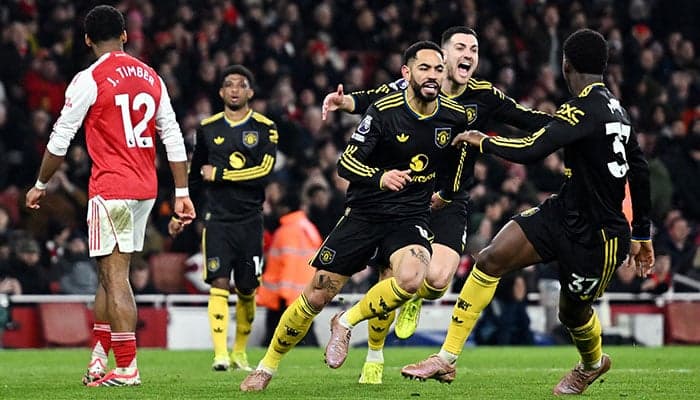
Arsenal, meanwhile, look like a team that have learned from near‑misses. The structure is familiar - high press, overloads on the left, fluid rotations between their number eight and wide forwards - but the decision‑making is sharper. They mix control and chaos more deliberately and seem more comfortable playing with expectation as title contenders rather than plucky chasers. If Arsenal really are back, this feels like the club the fans have been trying to regenerate for a decade.
Why this all feels like an inflection point
None of these stories are finished. Testing times can lie in F1; young tennis stars can plateau or be derailed; Premier League title races can swing on a single hamstring. But across three sports, the pattern is strikingly similar: old hierarchies are under pressure, and new ones are forming fast.
The changing of the guard is never clean; it happens in messy, overlapping waves. For now, though, 2026 looks less like a continuation of the last few years and more like the first chapter of something new.